Key takeaways
- Creatinine is a waste product cleared by the kidneys. A typical adult range is about 0.6–1.2 mg/dL, but “normal” depends on age, sex and muscle mass.
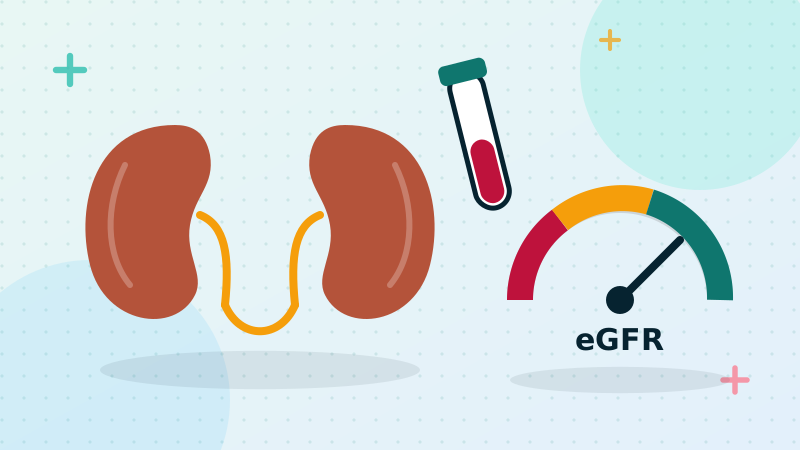
- eGFR, calculated from creatinine, estimates kidney filtering capacity and is used to stage chronic kidney disease (CKD).
- Protein in the urine (measured as albumin-to-creatinine ratio, ACR) is often the earliest sign of kidney damage, especially in diabetes.
- An Indian study (SEEK) found evidence of CKD in about 17% of adults screened.
- Diabetes and high blood pressure are the leading causes; controlling them and avoiding unnecessary painkillers protects the kidneys.
Why kidney tests matter
The kidneys filter waste and excess fluid from the blood, balance salts and acids, control blood pressure and help make red blood cells and keep bones healthy. Kidney disease usually develops silently — people often feel well until a large part of kidney function has been lost. Simple blood and urine tests can detect problems years earlier, when treatment is most effective.
How common is kidney disease in India?
The Screening and Early Evaluation of Kidney Disease (SEEK) study, published in BMC Nephrology in 2013, screened adults across India and found evidence of chronic kidney disease in about 17% of participants. Many of them were unaware of it. Diabetes and high blood pressure — both very common in Kolkata — are the leading causes worldwide.
| Stage | eGFR (mL/min/1.73 m²) | Description |
|---|---|---|
| G1 | 90 or above | Normal or high (CKD only if other signs of damage, e.g. protein in urine) |
| G2 | 60–89 | Mildly decreased |
| G3a | 45–59 | Mildly to moderately decreased |
| G3b | 30–44 | Moderately to severely decreased |
| G4 | 15–29 | Severely decreased |
| G5 | Below 15 | Kidney failure |
Source: KDIGO (Kidney Disease: Improving Global Outcomes) classification
View data table
| Stage | Lower limit of eGFR (mL/min/1.73 m²) |
|---|---|
| G1 | 90 |
| G2 | 60 |
| G3a | 45 |
| G3b | 30 |
| G4 | 15 |
| G5 | 1 |
Creatinine: what is normal?
Creatinine comes from normal muscle activity and is removed by the kidneys. When kidney function falls, creatinine rises. A typical adult reference range is roughly 0.6–1.2 mg/dL, often slightly lower in women, but it varies between laboratories. Because creatinine depends on muscle mass, a “normal” creatinine can hide reduced kidney function in a thin elderly person, while a muscular young man may have a slightly high value with healthy kidneys.
That is why doctors use the eGFR (estimated glomerular filtration rate), which adjusts creatinine for age and sex. An eGFR below 60 for three months or more indicates chronic kidney disease.
Urine protein: the early warning sign
Damaged kidneys leak protein (albumin) into the urine. The urine albumin-to-creatinine ratio (ACR) on a spot urine sample is the preferred test. An ACR below 30 mg/g is normal; 30–300 mg/g is moderately increased; above 300 mg/g is severely increased. In people with diabetes, a raised ACR can appear long before creatinine changes — which is why yearly urine ACR testing is recommended for everyone with diabetes.
Symptoms of kidney disease
Early kidney disease rarely causes symptoms. Later signs may include swelling of the feet, ankles or face, passing less urine or frothy urine, needing to urinate at night, tiredness, loss of appetite, nausea, itching, breathlessness, and difficult-to-control blood pressure. Waiting for symptoms means waiting too long — testing is the only reliable way to find early disease.
Common causes of a raised creatinine
- Diabetes and high blood pressure — the two leading causes of chronic kidney disease.
- Dehydration, for example during fever, diarrhoea or vomiting — often temporary.
- Medicines, especially frequent or long-term use of painkillers such as ibuprofen and diclofenac, and some other drugs.
- Kidney stones or an enlarged prostate blocking urine flow.
- Infections and inflammatory kidney diseases.
A single high reading needs context: is it new, or long-standing? Is it rising? A physician compares results over time and decides on further tests such as ultrasound.
How to protect your kidneys
- Keep blood pressure and blood sugar well controlled.
- Avoid regular use of over-the-counter painkillers (NSAIDs) without advice.
- Be cautious with unregulated herbal or “ayurvedic” products, some of which can harm the kidneys.
- Drink adequate water, especially in hot weather and during illness, unless advised to restrict fluids.
- Limit salt, stop smoking and maintain a healthy weight.
- If you have diabetes or high blood pressure, test creatinine/eGFR and urine ACR at least once a year.
Medicines and kidney disease
When kidney function is reduced, the doses of many medicines — including some antibiotics and diabetes tablets — need adjustment. Certain blood pressure and diabetes medicines also protect the kidneys. An internal medicine physician reviews all medicines together to keep them safe and effective, and arranges referral to a nephrologist when specialist care such as dialysis planning is needed.
Other kidney tests your doctor may advise
Beyond creatinine, eGFR and urine ACR, a physician may suggest a urine routine and microscopy (looking for blood, infection or casts), blood urea, electrolytes such as sodium and potassium, haemoglobin (anaemia is common in kidney disease), calcium, phosphate and vitamin D in more advanced disease, and an ultrasound of the kidneys to look at size, structure, stones or blockage. Not every test is needed for every patient; the choice depends on the results so far and the likely cause.
| Myth | Fact |
|---|---|
| If I pass urine normally, my kidneys are fine | Urine volume is often normal until kidney disease is advanced |
| Kidney disease always causes back pain | Chronic kidney disease is usually painless |
| Creatinine within the lab range always means healthy kidneys | eGFR and urine protein give a fuller picture, especially in older or thin people |
| Herbal medicines are always safe for the kidneys | Some herbal and unregulated products can damage the kidneys |
A simple kidney checklist for people with diabetes or high BP
- Blood creatinine with eGFR at least once a year.
- Urine albumin-to-creatinine ratio (ACR) at least once a year.
- Blood pressure target agreed with your doctor, and home readings recorded.
- HbA1c within your personal target.
- Review of all medicines, especially painkillers and supplements.
- Prompt medical attention for reduced urine, swelling or breathlessness.
When to see a physician in Kolkata
See a doctor if your creatinine or eGFR is abnormal, if urine shows protein, or if you have diabetes or high blood pressure and haven’t had kidney tests recently. Dr. Dhiman Sen interprets kidney results in the context of your whole health, identifies treatable causes, and adjusts treatment to protect kidney function.
Frequently asked questions
What is a normal creatinine level?
A typical adult range is roughly 0.6–1.2 mg/dL, but it varies by laboratory, age, sex and muscle mass. eGFR, calculated from creatinine, gives a better picture of kidney function.
What eGFR is considered kidney disease?
An eGFR below 60 mL/min/1.73 m² for at least three months indicates chronic kidney disease. A higher eGFR with protein in the urine can also indicate kidney damage.
Can high creatinine be reversed?
If it is caused by dehydration, a medicine or a blockage, creatinine often returns to normal once the cause is treated. Chronic kidney disease usually cannot be reversed, but its progression can often be slowed.
Does drinking more water lower creatinine?
Correcting dehydration can lower a temporarily raised creatinine. Drinking excessive water does not improve chronic kidney disease and may be harmful in advanced disease.
Which painkiller is safe for the kidneys?
Paracetamol in recommended doses is generally preferred. NSAIDs such as ibuprofen and diclofenac can harm the kidneys, especially with long-term use, dehydration or existing kidney disease. Ask your doctor before regular use of any painkiller.
How often should people with diabetes test their kidneys?
At least once a year: a blood test for creatinine/eGFR and a urine albumin-to-creatinine ratio (ACR). Your doctor may advise more frequent testing if results are abnormal.

About the practice
Dr. Dhiman Sen (MBBS, DTM&H, MD (Kolkata), MRCP (London), FRCP (Edinburgh), FICP) is a senior consultant physician in internal medicine in Kolkata with 50 years of experience — Director of Internal Medicine at Manipal Hospital, EM Bypass, and former Head of Medicine at Apollo Multispecialty Hospitals. Read his profile.
Sources and further reading
- Singh AK et al. Epidemiology and risk factors of chronic kidney disease in India — results from the SEEK study. BMC Nephrology, 2013
- KDIGO Clinical Practice Guideline for the Evaluation and Management of Chronic Kidney Disease
- American Diabetes Association — Standards of Care: chronic kidney disease screening
This article is general health information, not a substitute for a medical consultation. In an emergency, go to the nearest hospital.