Key takeaways
- Fatty liver means extra fat stored in liver cells. The most common type is linked to weight, diabetes and cholesterol, not alcohol (NAFLD, now called MASLD).
- An Indian meta-analysis estimates that about 38.6% of adults have non-alcoholic fatty liver disease.
- Most people have no symptoms; it is often found on a routine ultrasound or liver function test.
- Losing 5% of body weight reduces liver fat; 7–10% can reduce inflammation and even improve scarring.
- Fatty liver is a warning sign for diabetes and heart disease, so the whole metabolic picture should be checked.
What is fatty liver?
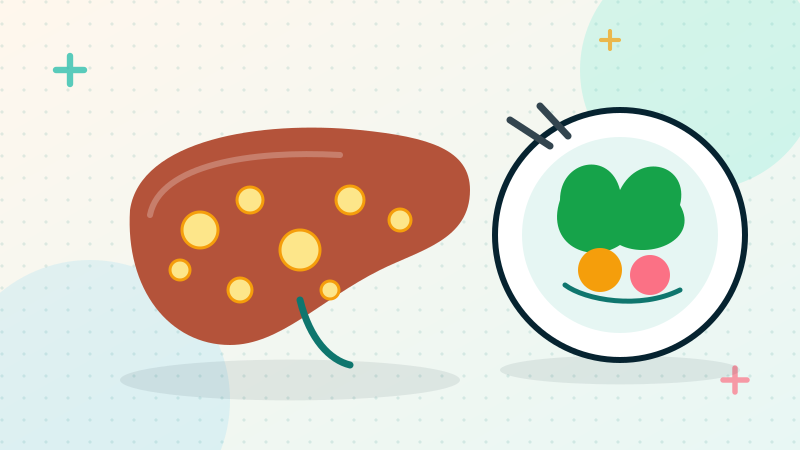
A healthy liver contains a little fat. When fat makes up more than about 5% of the liver’s weight, it is called fatty liver (hepatic steatosis). There are two main types:
- Alcohol-related fatty liver, caused by drinking alcohol.
- Non-alcoholic fatty liver disease (NAFLD), recently renamed metabolic dysfunction-associated steatotic liver disease (MASLD). This is by far the most common form and is linked to excess weight (especially around the waist), type 2 diabetes, high cholesterol and triglycerides, and high blood pressure.
In most people fatty liver stays as simple fat. In some, however, the fat causes inflammation (steatohepatitis, MASH), which can gradually lead to scarring (fibrosis), cirrhosis and, rarely, liver cancer.
How common is fatty liver in India?
Fatty liver has become one of the most common findings on abdominal ultrasound in India. A systematic review and meta-analysis published in the Journal of Clinical and Experimental Hepatology in 2022 estimated that about 38.6% of Indian adults have NAFLD. Among people with type 2 diabetes, studies worldwide find more than half have fatty liver. Notably, South Asians can develop fatty liver and diabetes at a lower body weight than Western populations — so “lean fatty liver” is not unusual.
View data table
| Category | Prevalence |
|---|---|
| Indian adults (NAFLD) | 38.6% |
| People with type 2 diabetes | 55.5% |
Symptoms of fatty liver
Most people with fatty liver have no symptoms. Some notice tiredness or a dull discomfort in the upper right abdomen. Symptoms such as yellowing of the eyes (jaundice), swelling of the abdomen or legs, easy bruising, or confusion suggest more advanced liver disease and need prompt medical attention.
Understanding your report: grades and liver tests
Ultrasound reports often describe fatty liver as grade 1 (mild), grade 2 (moderate) or grade 3 (severe), based on how bright the liver looks. The grade reflects the amount of fat, but it does not tell you how much inflammation or scarring is present.
Liver enzymes (ALT and AST) may be raised, but they can also be completely normal even with significant disease. To estimate scarring, doctors use scores calculated from routine blood tests (such as the FIB-4 score) and, when needed, a special scan called transient elastography (FibroScan).
| Finding | What it suggests | Usual next step |
|---|---|---|
| Grade 1 fatty liver, normal enzymes | Mild fat; early metabolic warning | Check sugar, lipids, BP; lifestyle changes |
| Fatty liver with raised ALT/AST | Possible inflammation, or another liver cause | Physician review; rule out hepatitis B/C, alcohol, medicines |
| Fatty liver with diabetes | Higher risk of scarring | Fibrosis risk score; consider FibroScan |
| Low platelets, enlarged spleen, or abnormal albumin | Possible advanced disease | Specialist liver evaluation |
Source: General clinical guidance
Can fatty liver be reversed?
Yes — in many people, fatty liver improves substantially, and early disease can reverse completely. The most powerful treatment is gradual, sustained weight loss. Research summarised in liver society guidelines shows a clear dose–response relationship:
View data table
| Benefit | Body weight lost |
|---|---|
| Reduces liver fat | 5% |
| Can reduce inflammation (MASH) | 7% |
| Can improve scarring (fibrosis) | 10% |
A practical fatty liver diet for Indian homes
- Cut sugary drinks and sweets: soft drinks, packaged juices, and frequent mishti add fructose and calories that the liver turns into fat.
- Reduce refined carbohydrates: smaller portions of white rice, maida, luchi and white bread; more whole grains, millets and pulses.
- Choose healthier fats: limit deep-fried snacks and reuse of frying oil; use mustard oil or other oils in moderation.
- Eat more vegetables and protein: dal, fish, eggs, paneer in moderation, sprouts and plenty of vegetables.
- Avoid alcohol, which adds to liver injury.
- Move daily: about 150 minutes a week of brisk walking or similar activity helps even without major weight loss.
Crash diets and unregulated “liver detox” supplements are best avoided — very rapid weight loss and some herbal products can themselves harm the liver.
Fatty liver is a heart and diabetes warning too
People with fatty liver are more likely to develop type 2 diabetes and heart disease — in fact, heart disease is a leading cause of illness in people with NAFLD. A good physician assessment therefore looks beyond the liver: blood sugar, HbA1c, cholesterol, blood pressure and waist size. Treating these together protects both the liver and the heart.
| Myth | Fact |
|---|---|
| Fatty liver only happens to people who drink | The most common type is linked to weight, diabetes and cholesterol, not alcohol |
| Normal liver tests mean the liver is fine | Liver enzymes can be normal even with significant fatty liver or scarring |
| Liver detox supplements cure fatty liver | There is no evidence they work, and some herbal products can injure the liver |
| Fatty liver is harmless, so it can be ignored | In some people it progresses, and it signals higher risk of diabetes and heart disease |
A sample day of liver-friendly eating
Breakfast: vegetable oats or a moong dal chilla with curd, tea without sugar. Mid-morning: a fruit such as guava or an apple. Lunch: a smaller portion of rice or two rotis, dal, a large serving of vegetables, and fish or egg. Evening: a handful of roasted chana or sprouts instead of fried snacks. Dinner: a light meal with vegetables and protein, eaten at least two to three hours before bed. Adjust portions to your own needs; a doctor or dietitian can personalise this, especially if you have diabetes.
When to see a doctor
See a physician if an ultrasound shows fatty liver, if liver enzymes are raised, or if you have fatty liver with diabetes or obesity. Dr. Dhiman Sen, senior internal medicine specialist in Kolkata, evaluates the cause, estimates the risk of scarring, checks related conditions, and guides a realistic plan — with specialist referral when required.
Frequently asked questions
Is grade 1 fatty liver serious?
Grade 1 fatty liver means a mild amount of fat. It is usually reversible with lifestyle change, but it is an important warning sign for diabetes and heart disease, so the overall metabolic health should be checked.
How long does it take to reverse fatty liver?
Liver fat can start to fall within weeks to months of sustained weight loss and healthier eating. Improvement in inflammation and scarring takes longer and depends on how much weight is lost and kept off.
What foods should I avoid with fatty liver?
Limit sugary drinks, sweets, refined flour, deep-fried foods and alcohol. Focus on vegetables, pulses, whole grains, fish and other lean proteins.
Can thin people get fatty liver?
Yes. Lean fatty liver is relatively common in South Asians, often linked to abdominal fat, insulin resistance and genetics.
Are there medicines for fatty liver?
Lifestyle change is the foundation. Some medicines used for diabetes and weight, and newer medicines for MASH, may help in selected patients. A doctor will decide based on your overall condition.
Does fatty liver cause cirrhosis?
Only a minority of people with fatty liver develop cirrhosis, but the risk is higher with diabetes, obesity and existing scarring. Assessing fibrosis risk helps identify who needs closer follow-up.
About the practice
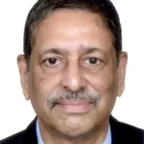
Dr. Dhiman Sen (MBBS, DTM&H, MD (Kolkata), MRCP (London), FRCP (Edinburgh), FICP) is a senior consultant physician in internal medicine in Kolkata with 50 years of experience — Director of Internal Medicine at Manipal Hospital, EM Bypass, and former Head of Medicine at Apollo Multispecialty Hospitals. Read his profile.
Sources and further reading
- Shalimar et al. Prevalence of non-alcoholic fatty liver disease in India: a systematic review and meta-analysis. Journal of Clinical and Experimental Hepatology, 2022
- Younossi ZM et al. The global epidemiology of NAFLD and NASH in patients with type 2 diabetes. Journal of Hepatology, 2019
- Vilar-Gomez E et al. Weight loss through lifestyle modification significantly reduces features of NASH. Gastroenterology, 2015
- American Association for the Study of Liver Diseases (AASLD) practice guidance
This article is general health information, not a substitute for a medical consultation. In an emergency, go to the nearest hospital.