Key takeaways
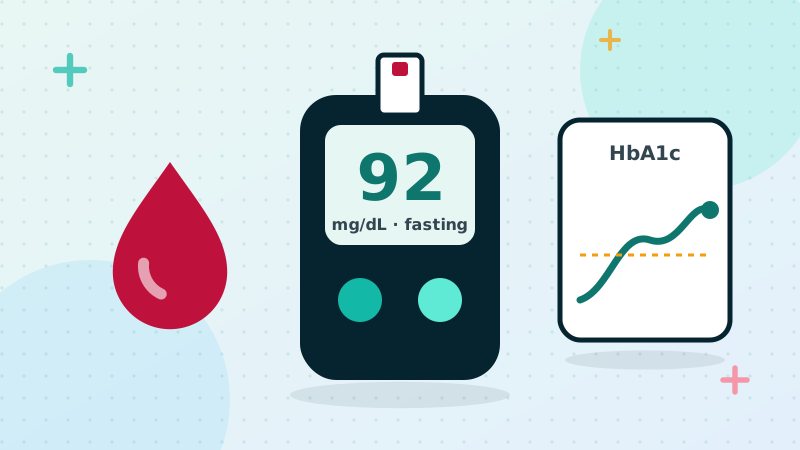
- Normal fasting blood sugar is below 100 mg/dL; 100–125 mg/dL is prediabetes; 126 mg/dL or more (confirmed) indicates diabetes.
- A normal HbA1c is below 5.7%; 5.7–6.4% is prediabetes; 6.5% or more indicates diabetes.
- About 1 in 9 adults in India has diabetes and roughly 1 in 7 has prediabetes, according to the ICMR-INDIAB study.
- Targets for people who already have diabetes are individualised — many adults aim for an HbA1c below 7%, while older or frail adults may have a less strict target.
- A single high reading is not a diagnosis; tests are usually repeated or confirmed.
Why your blood sugar number matters
Blood sugar (blood glucose) is the main fuel for the body’s cells. Insulin, made by the pancreas, moves glucose from the blood into the cells. In diabetes, the body either doesn’t make enough insulin or doesn’t respond to it properly, so glucose builds up in the blood. Over years, high blood sugar damages small and large blood vessels — affecting the eyes, kidneys, nerves, heart and brain.
The good news is that diabetes and prediabetes can be detected with simple, inexpensive blood tests, and early control dramatically reduces the risk of complications. Knowing what “normal” looks like is the first step.
| Test | Normal | Prediabetes | Diabetes |
|---|---|---|---|
| Fasting plasma glucose (8+ hours without food) | Below 100 mg/dL | 100–125 mg/dL | 126 mg/dL or higher |
| 2-hour glucose after 75 g glucose drink (OGTT) | Below 140 mg/dL | 140–199 mg/dL | 200 mg/dL or higher |
| HbA1c (3-month average) | Below 5.7% | 5.7–6.4% | 6.5% or higher |
| Random glucose with classic symptoms | — | — | 200 mg/dL or higher |
Source: American Diabetes Association Standards of Care; consistent with WHO and Indian guidance
Fasting, post-meal (PP) and random sugar — what’s the difference?
- Fasting blood sugar (FBS) is measured after at least eight hours without food or caloric drinks, usually first thing in the morning.
- Post-prandial (PP) sugar is usually measured two hours after a meal. In people without diabetes it generally stays below about 140 mg/dL. Note that a formal diagnosis uses the standardised oral glucose tolerance test (OGTT), not a routine meal.
- Random blood sugar (RBS) can be taken at any time. A random value of 200 mg/dL or more with typical symptoms — thirst, frequent urination, weight loss — strongly suggests diabetes.
HbA1c: your three-month average
HbA1c (glycated haemoglobin) measures the proportion of haemoglobin in red blood cells that has glucose attached. Because red cells live for around three months, HbA1c reflects your average blood sugar over that period. It does not require fasting, which makes it convenient.
HbA1c can be misleading in some situations — for example in anaemia, certain haemoglobin variants, pregnancy, kidney disease or after a recent blood transfusion. In these cases a physician may rely more on glucose readings.
| HbA1c | Estimated average glucose |
|---|---|
| 5.7% | ≈ 117 mg/dL |
| 6.5% | ≈ 140 mg/dL |
| 7% | ≈ 154 mg/dL |
| 8% | ≈ 183 mg/dL |
| 9% | ≈ 212 mg/dL |
| 10% | ≈ 240 mg/dL |
Source: ADAG study formula (eAG = 28.7 × HbA1c − 46.7)
How common is diabetes in India?
India has one of the largest numbers of people with diabetes in the world. The landmark ICMR-INDIAB national study, published in The Lancet Diabetes & Endocrinology in 2023, surveyed adults across every state and union territory. It found that about 11.4% of adults have diabetes — over 100 million people — and another 15.3% have prediabetes. Diabetes rarely travels alone: high blood pressure, obesity and abnormal cholesterol were also common.
View data table
| Category | Prevalence among adults |
|---|---|
| Diabetes | 11.4% |
| Prediabetes | 15.3% |
| High cholesterol | 24% |
| Generalised obesity | 28.6% |
| High blood pressure | 35.5% |
| Abdominal obesity | 39.5% |
What blood sugar targets should people with diabetes aim for?
Targets are personalised. For many non-pregnant adults with diabetes, guidelines suggest an HbA1c below 7%, fasting glucose of roughly 80–130 mg/dL and post-meal glucose below 180 mg/dL. For older adults, people with frequent low sugars (hypoglycaemia) or several other illnesses, a less strict target — for example an HbA1c below 7.5% or 8% — may be safer. Your physician will set targets that balance benefit against the risk of hypoglycaemia.
Symptoms of high and low blood sugar
High blood sugar may cause increased thirst, frequent urination (especially at night), tiredness, blurred vision, slow-healing wounds, recurrent infections and unexplained weight loss. Many people, however, have no symptoms for years — which is why screening matters.
Low blood sugar (generally below 70 mg/dL) can cause shakiness, sweating, palpitations, hunger, confusion and, if severe, loss of consciousness. It is most often seen in people taking insulin or certain tablets, and needs prompt treatment with sugar or glucose.
Who should get tested, and how often?
- Adults aged 30–35 and above, even without symptoms.
- Anyone with excess weight, a family history of diabetes, high blood pressure, high cholesterol, or a history of diabetes in pregnancy.
- People with prediabetes: usually at least once a year.
- People with diabetes: HbA1c about every three months while treatment is being adjusted and every three to six months once stable.
Can prediabetes be reversed?
Yes, often. Large studies have shown that modest weight loss (around 5–7% of body weight), regular physical activity of about 150 minutes a week, and a diet lower in refined carbohydrates and sugary drinks can substantially reduce the chance of prediabetes progressing to diabetes. For South Asian adults, who tend to develop diabetes at a lower body weight, waist size is particularly important.
| Myth | Fact |
|---|---|
| Only people who eat sweets get diabetes | Type 2 diabetes is driven by genetics, excess abdominal weight, inactivity and overall diet — not sugar alone |
| Brown sugar, jaggery or honey are safe for diabetics | They raise blood sugar much like white sugar and should be limited too |
| If I feel fine, my sugar must be fine | High sugar often causes no symptoms for years; only testing can tell |
| Insulin is the last stage and causes damage | Insulin is a natural hormone and a safe, effective treatment when needed — sometimes early |
| Rice must be completely stopped | Portion size and what you eat with it matter; many people can include smaller portions of rice |
Practical tips for checking sugar at home
- Wash and dry your hands before a finger-prick test; sugary residue on the skin can give a falsely high reading.
- Record the time and whether the reading is fasting, before a meal, or two hours after.
- Check before driving if you take insulin or sulfonylurea tablets.
- Bring your glucometer or readings log to every consultation so trends can be reviewed.
- Remember that glucometers have some margin of error; laboratory tests are used for diagnosis.
Getting expert help in Kolkata
If your report shows a high fasting sugar, an HbA1c in the prediabetes or diabetes range, or if your sugars remain high despite medicines, a physician review is worthwhile. Dr. Dhiman Sen, senior internal medicine specialist in Kolkata, reviews the full picture — sugar control, blood pressure, cholesterol, kidneys and eyes — and builds a realistic plan with you.
Frequently asked questions
What is a normal blood sugar level for adults?
A normal fasting blood sugar is below 100 mg/dL, and a normal HbA1c is below 5.7%. Two hours after a 75 g glucose drink, a normal value is below 140 mg/dL.
Is a fasting sugar of 110 mg/dL normal?
No. A fasting value between 100 and 125 mg/dL falls in the prediabetes range. It is a signal to act on weight, diet and activity and to recheck as your doctor advises.
What HbA1c level means diabetes?
An HbA1c of 6.5% or higher, confirmed on repeat testing or supported by other glucose tests, indicates diabetes. 5.7–6.4% indicates prediabetes.
Does normal blood sugar change with age?
The diagnostic cut-offs are the same for all adults. However, treatment targets for people who already have diabetes are often relaxed in older or frail adults to avoid dangerous low sugars.
Do I need to fast for an HbA1c test?
No. HbA1c does not require fasting. A fasting blood sugar test does require at least eight hours without food.
Can stress raise blood sugar?
Yes. Stress hormones, illness, infections and poor sleep can all raise blood sugar temporarily. A single high reading during illness should be rechecked once you are well.

About the practice
Dr. Dhiman Sen (MBBS, DTM&H, MD (Kolkata), MRCP (London), FRCP (Edinburgh), FICP) is a senior consultant physician in internal medicine in Kolkata with 50 years of experience — Director of Internal Medicine at Manipal Hospital, EM Bypass, and former Head of Medicine at Apollo Multispecialty Hospitals. Read his profile.
Sources and further reading
- Anjana RM et al. Metabolic non-communicable disease health report of India: the ICMR-INDIAB national cross-sectional study. The Lancet Diabetes & Endocrinology, 2023
- American Diabetes Association — Standards of Care in Diabetes
- Nathan DM et al. Translating the A1C assay into estimated average glucose values (ADAG). Diabetes Care, 2008
This article is general health information, not a substitute for a medical consultation. In an emergency, go to the nearest hospital.