Key takeaways
- Hypothyroidism (underactive thyroid) commonly causes tiredness, weight gain, feeling cold, constipation, dry skin, hair fall and heavy periods.
- Hyperthyroidism (overactive thyroid) causes palpitations, weight loss, heat intolerance, tremor, anxiety and loose stools.
- A multi-city Indian study found hypothyroidism in about 11% of adults — and in over 21% of adults tested in Kolkata, the highest of the cities studied.
- The TSH blood test is the main screening test; normal ranges are roughly 0.4–4.5 mIU/L but vary by laboratory.
- Hypothyroidism is usually treated with a daily levothyroxine tablet taken on an empty stomach, with periodic TSH checks.
The thyroid: a small gland with a big job
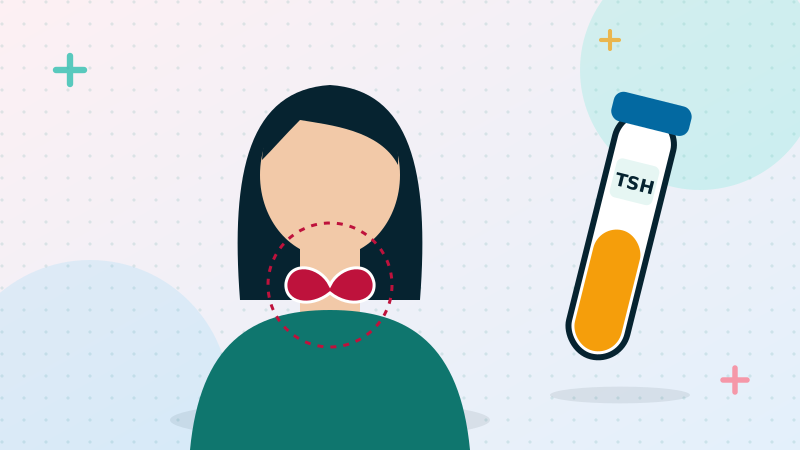
The thyroid is a butterfly-shaped gland in the front of the neck. It makes hormones — mainly thyroxine (T4) and triiodothyronine (T3) — that set the speed of the body’s metabolism. These hormones affect energy, weight, heart rate, body temperature, mood, bowel habit, menstrual cycles and fertility. The pituitary gland in the brain controls the thyroid through thyroid-stimulating hormone (TSH).
Thyroid disorders are far more common in women than men, and they often begin during life changes such as pregnancy, after childbirth and around menopause.
Why thyroid problems are a particular concern in Kolkata
A large epidemiological study of adults in eight Indian cities, published in the Indian Journal of Endocrinology and Metabolism in 2013, found hypothyroidism in about 11% of participants overall — with many cases previously undiagnosed. Kolkata recorded the highest prevalence of the cities studied, at over 21%. Women were affected considerably more often than men, and the risk increased with age.
View data table
| Category | Prevalence |
|---|---|
| Eight Indian cities (overall) | 10.95% |
| Kolkata | 21.67% |
| Feature | Underactive thyroid (hypothyroidism) | Overactive thyroid (hyperthyroidism) |
|---|---|---|
| Energy | Tiredness, sluggishness | Restlessness, poor sleep |
| Weight | Weight gain despite eating less | Weight loss despite good appetite |
| Temperature | Feeling cold | Feeling hot, sweating |
| Heart | Slow pulse | Palpitations, fast pulse |
| Bowels | Constipation | Frequent or loose stools |
| Skin & hair | Dry skin, hair fall, puffiness | Thin hair, warm moist skin |
| Periods | Heavy or irregular periods | Light or irregular periods |
| Mood | Low mood, poor concentration | Anxiety, irritability, tremor |
Source: General clinical features; individual symptoms vary
Hypothyroidism symptoms in women
Hypothyroidism develops slowly, so symptoms are easy to dismiss as stress, ageing or a busy life. Women commonly notice persistent tiredness, weight gain, feeling cold when others are comfortable, constipation, dry skin, brittle nails, hair thinning, puffiness of the face, low mood, muscle aches, and heavy or irregular periods. Hypothyroidism can also contribute to difficulty conceiving and raised cholesterol.
The most common cause in India and worldwide is Hashimoto’s thyroiditis, an autoimmune condition in which the body’s immune system gradually damages the thyroid. Iodine deficiency, once common, has become less frequent since the introduction of iodised salt.
Hyperthyroidism symptoms in women
An overactive thyroid speeds everything up. Women may experience palpitations, weight loss, heat intolerance, sweating, tremor of the hands, anxiety, poor sleep, frequent bowel movements, muscle weakness and light or irregular periods. A swelling in the neck (goitre) or prominent, staring eyes may be seen in Graves’ disease, the most common cause. Hyperthyroidism needs prompt evaluation because it can affect the heart rhythm and bones.
Thyroid tests: TSH, T4 and antibodies
- TSH is the best first test. A high TSH suggests an underactive thyroid; a low TSH suggests an overactive one. The reference range is roughly 0.4–4.5 mIU/L in many laboratories, but it varies by lab and is different in pregnancy.
- Free T4 (FT4) confirms whether thyroid hormone levels are actually low or high.
- Anti-TPO antibodies help identify autoimmune (Hashimoto’s) thyroiditis.
- Ultrasound is used when there is a lump or swelling.
Subclinical hypothyroidism — a mildly raised TSH with normal T4 — is common. Not everyone with it needs treatment; the decision depends on the TSH level, symptoms, antibodies, age and plans for pregnancy.
Thyroid and pregnancy
Thyroid hormone is important for a baby’s brain development, especially in early pregnancy. Women with known hypothyroidism who are planning pregnancy should have their dose reviewed in advance, and usually need a higher dose once pregnant. Thyroid tests during pregnancy are interpreted using pregnancy-specific ranges, and care is coordinated with the obstetrician.
Treatment of hypothyroidism
Hypothyroidism is treated with levothyroxine, a synthetic form of the body’s own T4. A few practical points make a big difference:
- Take it once daily on an empty stomach, ideally 30–60 minutes before breakfast, with water.
- Keep a gap of about four hours from calcium, iron supplements and antacids, which reduce absorption.
- Recheck TSH about six to eight weeks after starting or changing the dose, then periodically once stable.
- Don’t change brands or doses without advice — small changes matter.
Hyperthyroidism is treated with antithyroid medicines, and in some cases radioactive iodine or surgery, usually in coordination with an endocrinologist.
Thyroid, diabetes and heart health
Thyroid disorders often coexist with diabetes and influence cholesterol, weight and heart rhythm. An internal medicine physician looks at these together — for example, checking thyroid function when cholesterol is unexpectedly high, or when diabetes control suddenly changes.
| Myth | Fact |
|---|---|
| Thyroid problems always cause a swelling in the neck | Most people with hypothyroidism have no visible swelling |
| Thyroid medicine causes weight loss | Levothyroxine restores normal levels; it is not a weight-loss medicine and should never be used as one |
| Once TSH is normal, the tablet can be stopped | In most people with Hashimoto’s thyroiditis, treatment is lifelong; stopping causes symptoms to return |
| Iodised salt causes thyroid disease | Iodised salt prevents iodine deficiency; it is recommended for most people |
Living well with a thyroid condition
Most people with a thyroid disorder lead completely normal lives once treatment is settled. Take your tablet at the same time every day, keep follow-up tests as advised, tell your doctor if you become pregnant or start new medicines (including iron, calcium or some antacids), and report new symptoms such as palpitations, unexpected weight change or fatigue. Regular review ensures the dose keeps pace with changes in age, weight and other health conditions.
When to see a doctor
Consider a thyroid check if you have several of the symptoms above, a family history of thyroid disease, other autoimmune conditions, are planning a pregnancy, or have unexplained weight change, palpitations or raised cholesterol. Dr. Dhiman Sen, senior physician in Kolkata, evaluates thyroid problems as part of the whole picture of your health.
Frequently asked questions
What are the first signs of thyroid problems in women?
Early signs of an underactive thyroid include tiredness, weight gain, feeling cold, constipation, dry skin, hair fall and heavier periods. An overactive thyroid often begins with palpitations, weight loss, heat intolerance and anxiety.
What is the normal TSH level?
Many laboratories use a reference range of roughly 0.4 to 4.5 mIU/L, but ranges vary between labs and are different in pregnancy. Your doctor interprets TSH together with free T4 and your symptoms.
Can thyroid problems cause weight gain?
Hypothyroidism can cause modest weight gain, partly from fluid retention and a slower metabolism. Treating it usually helps, but thyroid treatment alone is rarely the full answer to significant weight gain.
Is hypothyroidism lifelong?
Hypothyroidism caused by Hashimoto’s thyroiditis is usually permanent and needs lifelong treatment. Some forms, such as thyroiditis after pregnancy, can be temporary.
When should I take my thyroid tablet?
Levothyroxine is best taken once daily on an empty stomach, about 30–60 minutes before breakfast, and separated from calcium and iron supplements by about four hours.
Can I eat cabbage and cauliflower with thyroid problems?
Yes, in normal dietary amounts. Cooked cruciferous vegetables are not a problem for most people taking thyroid medicine. Very large amounts of raw vegetables are a theoretical concern only in iodine deficiency.

About the practice
Dr. Dhiman Sen (MBBS, DTM&H, MD (Kolkata), MRCP (London), FRCP (Edinburgh), FICP) is a senior consultant physician in internal medicine in Kolkata with 50 years of experience — Director of Internal Medicine at Manipal Hospital, EM Bypass, and former Head of Medicine at Apollo Multispecialty Hospitals. Read his profile.
Sources and further reading
- Unnikrishnan AG et al. Prevalence of hypothyroidism in adults: an epidemiological study in eight cities of India. Indian Journal of Endocrinology and Metabolism, 2013
- American Thyroid Association — patient information on hypothyroidism and hyperthyroidism
- Indian Thyroid Society guidelines
This article is general health information, not a substitute for a medical consultation. In an emergency, go to the nearest hospital.