Key takeaways
- Normal blood pressure is below 120/80 mm Hg. Readings that stay at 140/90 or above are high blood pressure under most guidelines.
- High blood pressure usually causes no symptoms — the only way to know is to measure it.
- About one in three Indian adults has high blood pressure (ICMR-INDIAB, 2023), and many don’t know it.
- BP of 180/120 or higher with chest pain, breathlessness, weakness, confusion or vision changes is an emergency.
- Lifestyle changes plus the right medicines, taken regularly, sharply reduce the risk of stroke and heart attack.
Blood pressure: the silent number
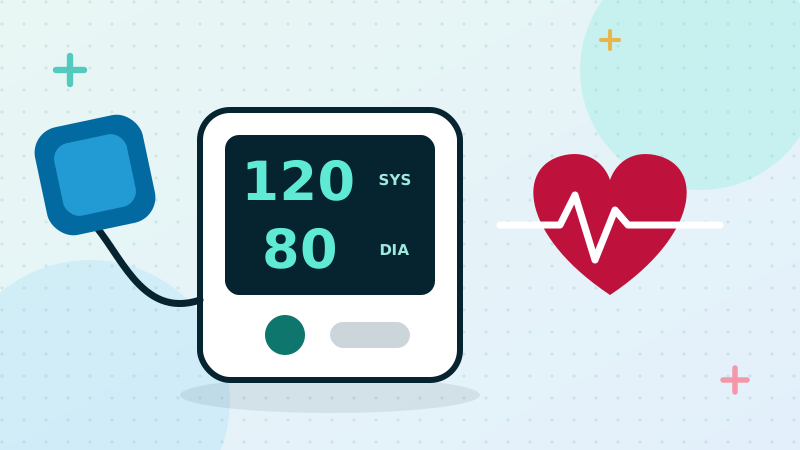
Blood pressure is the force of blood pushing against the walls of your arteries. It is recorded as two numbers: the systolic pressure (when the heart beats) over the diastolic pressure (when the heart rests between beats). A reading of 120/80 mm Hg means a systolic pressure of 120 and a diastolic pressure of 80.
High blood pressure — hypertension — is called the “silent killer” because it rarely causes symptoms until it has already damaged the heart, brain, kidneys or eyes. It is one of the leading causes of stroke and heart attack worldwide, and one of the most treatable.
| Category | Systolic (top) | Diastolic (bottom) | |
|---|---|---|---|
| Normal | Below 120 | and | Below 80 |
| Elevated | 120–129 | and | Below 80 |
| High BP, stage 1 | 130–139 | or | 80–89 |
| High BP, stage 2 | 140 or higher | or | 90 or higher |
| Hypertensive crisis | Above 180 | and/or | Above 120 |
Source: Adapted from ACC/AHA 2017 guideline; ESC and Indian guidelines define hypertension from 140/90
How common is high blood pressure in India?
The ICMR-INDIAB study (2023) found that about 35.5% of Indian adults have high blood pressure — over 300 million people. The National Family Health Survey (NFHS-5, 2019–21), which measured blood pressure in people aged 15 and above, found raised blood pressure in about 24% of men and 21% of women. Large numbers of these people were unaware of their condition or were not adequately controlled.
View data table
| Category | Prevalence |
|---|---|
| Women 15+ (NFHS-5) | 21.3% |
| Men 15+ (NFHS-5) | 24% |
| All adults 20+ (ICMR-INDIAB) | 35.5% |
Symptoms of high blood pressure
Most people with high blood pressure feel completely well. When symptoms do occur, they are usually non-specific and may include:
- Headache, especially at the back of the head in the morning
- Dizziness or a feeling of heaviness in the head
- Nosebleeds (uncommon)
- Breathlessness on exertion
- Blurred vision
Because these symptoms are unreliable, the only way to know your blood pressure is to measure it — at least once a year for adults, and more often if you have diabetes, kidney disease or a family history of heart disease.
Hypertensive emergency — go to hospital immediately
A reading of 180/120 mm Hg or higher together with any of the following needs emergency care:
- Chest pain or pressure
- Severe breathlessness
- Weakness or numbness of the face, arm or leg, or difficulty speaking
- Confusion, severe headache or vision changes
What causes high blood pressure?
In most adults there is no single cause (“primary” or “essential” hypertension). It develops from a combination of age, genetics, excess weight — particularly around the waist — high salt intake, low physical activity, alcohol, smoking, stress and poor sleep. In a smaller group, an underlying condition causes it (“secondary” hypertension): kidney disease, hormonal disorders such as thyroid or adrenal problems, sleep apnoea, or certain medicines including some painkillers and decongestants.
A physician will look for secondary causes especially when blood pressure is very high, starts at a young age, rises suddenly, or remains uncontrolled despite three medicines.
How to measure blood pressure correctly at home
- Use a validated automatic upper-arm monitor with the right cuff size.
- Avoid caffeine, smoking and exercise for 30 minutes before measuring.
- Sit quietly for five minutes, back supported, feet flat, arm resting at heart level.
- Take two readings a minute apart, in the morning and evening, for about a week before your appointment.
- Write the readings down, or bring the monitor, to your consultation.
Home readings are often lower than clinic readings (“white-coat effect”), and sometimes higher (“masked hypertension”). Both patterns matter for diagnosis.
Treatment: lifestyle and medicines together
Lifestyle changes lower blood pressure for almost everyone: reducing salt (including hidden salt in pickles, papad, chanachur and packaged foods), losing excess weight, regular brisk walking, limiting alcohol, stopping smoking, and eating more vegetables, fruit and pulses.
Medicines are added when blood pressure stays high or the overall heart risk is significant. Common classes include ACE inhibitors and ARBs, calcium-channel blockers, thiazide-type diuretics and, in specific situations, beta-blockers. The choice depends on age, kidney function, diabetes, heart disease and other medicines. Many people need two or more medicines, often in a single combination tablet.
The most important rule: don’t stop blood pressure medicines on your own when readings become normal — normal readings usually mean the treatment is working.
Blood pressure with diabetes and kidney disease
High blood pressure and diabetes frequently occur together and multiply each other’s risks. Good control protects the kidneys and eyes as well as the heart. Some blood pressure medicines also reduce protein leakage into the urine, which is helpful in diabetic kidney disease. These patients benefit from a physician who manages all their conditions together.
| Myth | Fact |
|---|---|
| I would feel it if my BP were high | Most people with high BP feel completely normal |
| BP medicines are addictive | They are not addictive; they control a long-term condition, like spectacles correct vision |
| Only older people get high BP | It is increasingly common in people in their 30s and 40s |
| Rock salt or pink salt is safe in any amount | All salts contain sodium; total salt intake is what matters |
| Once started, the dose never changes | Doses are adjusted over time and are sometimes reduced with weight loss and lifestyle change |
Daily habits that lower blood pressure
Studies consistently show that a combination of modest changes can lower systolic blood pressure meaningfully — in some people by as much as a single medicine. Reduce added salt and salty foods; aim for at least 30 minutes of brisk walking on most days; eat more vegetables, fruit and pulses; keep alcohol to a minimum; stop smoking; and protect your sleep. Losing even a few kilograms around the waist can make a noticeable difference.
When to see a physician in Kolkata
See a doctor if your readings are repeatedly 140/90 or higher, if you already take medicines but readings remain high, or if you have high blood pressure together with diabetes, kidney disease or a strong family history of heart disease. Dr. Dhiman Sen confirms the diagnosis, checks for effects on the heart and kidneys, looks for secondary causes when needed, and tailors treatment to your other conditions.
Frequently asked questions
What is a normal blood pressure for adults?
Below 120/80 mm Hg is considered normal. Readings that stay at 140/90 mm Hg or above are classed as high blood pressure under most guidelines, and some guidelines treat 130/80 as high in people at higher risk.
Is 130/90 blood pressure high?
Yes, a diastolic (bottom) reading of 90 is in the high range. It should be confirmed with repeated readings, ideally including home measurements, and discussed with your doctor.
Can high blood pressure cause headaches?
Very high blood pressure can cause headaches, but most people with high blood pressure have no symptoms at all. A headache is not a reliable sign — measure your blood pressure instead.
Does normal BP change with age?
Blood pressure tends to rise with age, but the target for most adults remains similar. In very elderly or frail people, a doctor may individualise the target to avoid dizziness and falls.
Can I stop BP tablets once my BP is normal?
Please do not stop or reduce blood pressure medicines without your doctor’s advice. Normal readings usually mean the medicine is working; stopping can cause blood pressure to rise again.
How much salt should I eat with high blood pressure?
WHO recommends less than 5 grams of salt a day for adults — about one level teaspoon in total, including salt already in foods. Most people in India eat considerably more.

About the practice
Dr. Dhiman Sen (MBBS, DTM&H, MD (Kolkata), MRCP (London), FRCP (Edinburgh), FICP) is a senior consultant physician in internal medicine in Kolkata with 50 years of experience — Director of Internal Medicine at Manipal Hospital, EM Bypass, and former Head of Medicine at Apollo Multispecialty Hospitals. Read his profile.
Sources and further reading
- Anjana RM et al. ICMR-INDIAB study, The Lancet Diabetes & Endocrinology, 2023
- National Family Health Survey (NFHS-5), 2019–21, Ministry of Health & Family Welfare
- Whelton PK et al. 2017 ACC/AHA Guideline for the Prevention, Detection, Evaluation and Management of High Blood Pressure in Adults
- World Health Organization — Hypertension fact sheet; salt intake recommendation
This article is general health information, not a substitute for a medical consultation. In an emergency, go to the nearest hospital.