Key takeaways
- India had about 138 million people aged 60+ in 2021, projected to reach about 194 million by 2031 (Government of India).
- Older adults often take many medicines from different doctors, increasing the risk of side effects, interactions, falls and confusion.
- New confusion, dizziness, falls, constipation or loss of appetite in an elderly person can be caused by medicines.
- A single, complete medicine review by a physician can often simplify treatment safely.
- Families play a vital role: keep an up-to-date medicine list and bring all strips to every consultation.
A growing generation of elders
India is ageing quickly. According to the Government of India’s Elderly in India 2021 report, the population aged 60 and above grew from about 104 million in 2011 to about 138 million in 2021, and is projected to reach about 194 million by 2031. In cities like Kolkata, many older adults live with long-term conditions such as diabetes, high blood pressure, heart disease, arthritis and kidney problems — often several at once.
View data table
| Year | Population aged 60+ (millions) |
|---|---|
| 2011 | 104 M |
| 2021 | 138 M |
| 2031 (projected) | 194 M |
What is polypharmacy?
Polypharmacy usually means regularly taking five or more medicines. Sometimes this is necessary and appropriate. But in many older adults, medicines accumulate over the years: one doctor prescribes for blood pressure, another for diabetes, another for pain or sleep, plus over-the-counter tablets, supplements and home remedies. No one looks at the complete list — and that is where problems begin.
Why older bodies handle medicines differently
With age, the kidneys and liver clear medicines more slowly, body fat increases and body water falls, and the brain becomes more sensitive to sedatives. A dose that suited someone at 50 may be too strong at 80. Older adults are also more likely to have several conditions where a medicine that helps one can worsen another.
| Symptom | Medicines that can contribute (examples) |
|---|---|
| Dizziness and falls | Blood pressure tablets (dose too high), sleeping pills, some antidepressants, diabetes medicines causing low sugar |
| Confusion or drowsiness | Sleeping pills, anti-allergy tablets, some bladder and pain medicines |
| Constipation | Some painkillers, iron, calcium, certain BP medicines |
| Low blood sugar | Some diabetes tablets and insulin, especially with poor appetite |
| Stomach bleeding, kidney strain | Regular NSAID painkillers such as ibuprofen or diclofenac |
| Low sodium, weakness | Some diuretics and antidepressants |
Source: General geriatric prescribing guidance; never stop medicines without advice
Never stop medicines suddenly
Some medicines — for example certain blood pressure, heart, seizure, steroid and psychiatric medicines — can cause serious problems if stopped abruptly. Any change should be made with a doctor’s guidance.
What a medicine review involves
A structured medicine review looks at every medicine and asks: Is it still needed? Is the dose right for this person’s age, weight, kidney and liver function? Is there a duplicate (the same drug under two brand names)? Does it interact with another medicine? Is it causing symptoms that are being treated with yet another medicine (a “prescribing cascade”)? Can the regimen be simplified — fewer tablets, fewer times a day?
The goals are set with the patient and family: comfort, independence, safety and quality of life, not just numbers on a report.
Practical tips for families
- Keep one up-to-date list of every medicine, dose and timing — including supplements and ayurvedic or homoeopathic products.
- Bring all medicine strips to every consultation, not just prescriptions.
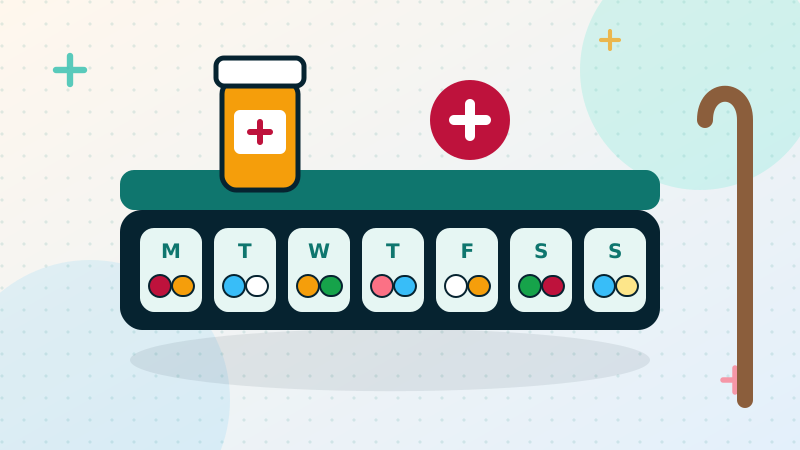
- Use a weekly pill organiser and set reminders.
- Watch for changes after any new medicine: drowsiness, confusion, dizziness, falls, poor appetite or constipation.
- Check blood pressure and sugar at home if advised, and keep a record.
- Make the home fall-safe: good lighting, non-slip mats, grab rails in bathrooms.
- Ask questions: what is each medicine for, and for how long?
Beyond medicines: whole-person care for elders
Good elderly care also looks at nutrition and weight, vision and hearing, memory and mood, mobility and fall risk, bone health, vaccinations and the support available at home. Many of these issues are linked: poor vision and sedating medicines together raise the risk of a fall; a fall can lead to a fracture and loss of independence.
Nutrition, hydration and activity for older adults
Many older adults eat and drink less than they need, which worsens weakness, constipation, dizziness and the side effects of medicines. Encourage regular small meals with adequate protein (dal, eggs, fish, curd), several glasses of fluid a day unless a doctor has advised restriction, and daily movement — even a short walk at home or simple chair exercises helps maintain muscle strength and balance. Sunlight exposure, good sleep routines and social contact matter as much for health in later life as tablets do.
| Myth | Fact |
|---|---|
| Confusion and falls are a normal part of ageing | They often have treatable causes — including medicines, infections, dehydration and low sugar |
| More medicines mean better treatment | Fewer, well-chosen medicines are often safer and more effective in older adults |
| Sleeping pills are harmless for elders | They increase the risk of falls, confusion and dependence; safer approaches to sleep exist |
| Supplements and herbal products are always safe | Some interact with prescription medicines or affect the kidneys and liver |
Signs an elderly parent needs a medical review now
- A recent fall, or new unsteadiness.
- New confusion, unusual drowsiness or behaviour change.
- Eating or drinking much less than usual.
- Unexplained weight loss.
- New breathlessness, swelling of the feet, or reduced urine.
- After any hospital discharge, to reconcile old and new medicines.
Sudden confusion, weakness of one side, chest pain or severe breathlessness need emergency care.
Elderly care across Kolkata
Families bring their parents to Dr. Sen from across Kolkata, including Salt Lake, Lake Town, Shyambazar, Ballygunge, Behala and Jadavpur. Nidaan Polyclinic in Fulbagan is easily reached from the EM Bypass and central Kolkata. See areas we serve for details.
How Dr. Dhiman Sen helps elderly patients and families
Dr. Dhiman Sen has cared for older adults in Kolkata for five decades. His consultations are unhurried, family members are welcome, and every condition and medicine is reviewed together. He looks for medicines that can be reduced or stopped safely, adjusts doses for kidney and liver function, and coordinates with other specialists so that the overall plan makes sense.
Frequently asked questions
How many medicines are too many for an elderly person?
There is no fixed number, but taking five or more medicines regularly (polypharmacy) increases the risk of side effects and interactions. What matters is whether each medicine is still necessary and correctly dosed.
Can medicines cause confusion in elderly people?
Yes. Sleeping pills, some anti-allergy, bladder and pain medicines, and low blood sugar from diabetes medicines are common causes. New confusion should always be assessed by a doctor promptly.
Should elderly people stop taking BP medicine?
Not on their own. Sometimes doses can be reduced if blood pressure is low or the person feels dizzy, but changes should be made by a doctor after checking readings.
What should I bring to my parent’s doctor visit?
All medicine strips and bottles, prescriptions from every doctor, recent reports, discharge summaries, and a record of home BP or sugar readings if available.
Which painkiller is safest for elderly people?
Paracetamol in recommended doses is usually preferred. Regular use of NSAIDs such as ibuprofen or diclofenac can cause stomach bleeding and kidney problems in older adults. Ask your doctor before regular use of any painkiller.
Can family members attend the consultation?
Yes, and it is encouraged. Family members can share observations, help with the history and understand the treatment plan.
About the practice
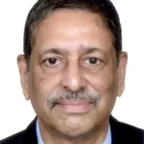
Dr. Dhiman Sen (MBBS, DTM&H, MD (Kolkata), MRCP (London), FRCP (Edinburgh), FICP) is a senior consultant physician in internal medicine in Kolkata with 50 years of experience — Director of Internal Medicine at Manipal Hospital, EM Bypass, and former Head of Medicine at Apollo Multispecialty Hospitals. Read his profile.
Sources and further reading
- Ministry of Statistics & Programme Implementation, Government of India — Elderly in India 2021
- American Geriatrics Society — Beers Criteria for potentially inappropriate medication use in older adults
- Longitudinal Ageing Study in India (LASI) Wave 1 report, 2020
This article is general health information, not a substitute for a medical consultation. In an emergency, go to the nearest hospital.